




SUMMARY

Key takeaways
Intimate dryness refers to a reduction or absence of vaginal lubrication, which can cause pain, irritation and discomfort in everyday life as well as during intercourse.
It can affect any woman at any age, although it is more common during periods of hormonal change (menopause, pregnancy, postpartum, breastfeeding).
The most common symptoms include dryness, burning, itching and pain during intercourse (dyspareunia), sometimes accompanied by light bleeding or recurrent urinary tract infections.
The causes are many: hormonal, psychological, medication-related, linked to intimate hygiene, to certain illnesses or to surgical procedures.
Understanding intimate dryness
What is intimate dryness?
Intimate dryness is characterized by a lack or absence of vaginal lubrication. It results from a decrease in the natural secretions that normally keep the vaginal lining moist and elastic. Without enough lubrication, the vagina can become painful during intercourse and may be prone to small tears.
Besides physical discomfort, intimate dryness can also affect the vulva, the external part of the genitals. This can cause vulvar irritation and dryness, making some daily activities uncomfortable.
It is important to note that vaginal dryness can affect any woman, although it is more common in those going through hormonal changes. It can appear at various times in life, notably during pregnancy, after childbirth or at menopause, often around the age of 50.
Common signs and symptoms
The symptoms of vaginal dryness are generally characteristic and can vary from one woman to another. They include:
- a persistent feeling of dryness and discomfort in the vaginal area
- itching and vulvar irritation, sometimes very bothersome
- redness may also be observed in the external genital area, notably around the vagina, the cervix and the labia.
Burning sensations are among the most uncomfortable symptoms, often accompanied by local inflammation. Pain during intercourse, known by the medical term dyspareunia, is a major symptom that can greatly affect sex life. This pain can sometimes lead to light bleeding after intercourse, and some women report recurrent or persistent urinary tract infections.
Beyond these physical manifestations, intimate dryness can also have psychological and emotional effects. These include a low libido or a loss of interest in sex. Itching or tingling in the vagina are other frequent symptoms that call for appropriate care to improve your well-being and restore your confidence.
What are the main causes of intimate dryness?
Why am I affected by intimate dryness?
Intimate dryness can affect any woman, regardless of age or lifestyle. It is usually not due to a single cause, but to a combination of factors that vary from woman to woman. Understanding why you are affected is essential to find the most suitable solutions and regain your intimate comfort.
The causes of vaginal dryness are many and can be grouped into different categories:
- hormonal
- psychological
- medication-related
- infectious
- surgical and autoimmune.
Hormonal changes
Hormonal changes are the main cause of intimate dryness in women. The drop in estrogen levels plays a key role, as this hormone is essential for maintaining the moisture, elasticity and blood supply of vaginal tissues. During menopause, estrogen levels fall considerably, which leads to a thinning of the vaginal walls and a reduction in mucus production.
More than 50% of menopausal women experience vaginal atrophy, characterized by a lining that becomes drier and paler.
However, menopause is not the only time when hormonal fluctuations can cause vaginal dryness. Pregnancy, the postpartum period and breastfeeding are also times when estrogen levels vary, which can lead to intimate dryness.
In addition, taking hormonal contraceptives, such as birth control pills, can disrupt the vagina's natural lubrication because of the hormones they contain. A low level of androgen hormones can also be involved in some cases of menopause-related vaginal dryness. Furthermore, an increase in prolactin levels, called hyperprolactinemia, which occurs notably during breastfeeding or because of certain conditions, can cause vaginal dryness and pain during intercourse.
Medication side effects
Some medications can have vaginal dryness as a side effect, a cause that is often underestimated but important. Cancer treatments, such as chemotherapy, can reduce or block hormone production by the ovaries, leading to intimate dryness. Other medications, depending on individual prescriptions, can also affect the vagina's natural lubrication.
At the same time, intense stress and psychological tension can disrupt hormonal balance and contribute to vaginal dryness. A lack of arousal during intercourse, often linked to stress, fatigue or other psychological factors, can cause temporary vaginal dryness.
Inappropriate intimate hygiene also plays an important role: using harsh cleansing products or vaginal douches can upset the vaginal flora and lead to persistent dryness. Finally, certain autoimmune diseases, such as Sjögren's syndrome, which affects the Bartholin's glands, can also cause vaginal dryness.
Consequences of intimate dryness
Impact on sex life
Vaginal dryness has a direct and significant impact on the sex life of women who experience it. During arousal, vaginal lubrication is slow and insufficient, making penetration difficult and often painful.
This situation can become a real barrier to intimacy, turning what should be a moment of pleasure into a source of stress and discomfort.
Pain during intercourse, also called dyspareunia, is one of the most problematic symptoms. This pain can come with intense burning sensations that affect the whole vagina and may persist even after intercourse. Some women also notice light bleeding after intercourse, which adds to the discomfort and worry.
In the most severe cases, when vaginal atrophy worsens, penetration can become impossible, significantly limiting opportunities for intimacy.
In addition to physical pain, this condition leads to a reduction in sexual pleasure and a drop in desire. Fear of pain creates a vicious circle: this apprehension causes involuntary tension in the pelvic floor muscles, which makes the problem worse.
Fortunately, a fulfilling sex life remains possible despite vaginal dryness. Using lubricants and exploring new forms of intimacy, such as longer foreplay, can greatly improve sexual well-being.
Psychological and emotional consequences
The effects of intimate dryness are not limited to physical symptoms; they also affect women's emotional well-being. The psychological distress associated with this condition can cause significant stress and, in some cases, lead to a depressive state.
The constant fear of pain during intercourse often leads to a decrease in sexual activity and a loss of self-confidence.
The impact on intimate and relationship life is also considerable. This condition can create tension within the couple, as intimacy becomes a source of anxiety rather than pleasure. Affected women may feel a permanent personal discomfort, causing physical and emotional distress that goes well beyond the intimate sphere.
In this context, open communication with your partner is essential to find suitable solutions and preserve a harmonious relationship.
In addition, vaginal dryness weakens the mucous membranes, which promotes urinary and vaginal infections, such as cystitis. These additional infections further aggravate psychological difficulties, creating a state of anxiety that feeds a vicious circle.
Despite these challenges, it is important to know that solutions exist to improve intimate comfort and restore a satisfying sex life. A healthcare professional can help you find suitable treatments.
Natural treatments to combat vaginal dryness
Natural oils and moisturizers
To soothe intimate dryness in the long term, it is essential to choose your vaginal moisturizing care carefully. Unlike hormonal vaginal inserts, which offer quick but temporary relief and are often accompanied by side effects such as bothersome discharge, moisturizing care provides continuous hydration that respects the mucous membrane.
Not to be confused with intimate lubricants, which are inert textures (often silicone- or mineral oil-based) applied occasionally before intercourse. These products do not moisturize the mucous membrane deeply and their effect evaporates quickly.
For effective intimate care, look for:
- A natural water-based or oil-based formula, depending on your texture preference;
- A hypoallergenic care product with a physiological pH, free from irritating fragrance;
- Targeted active ingredients such as hyaluronic acid for deep hydration, aloe vera to soothe and heal, and a complex of prebiotics and probiotics to rebalance the vaginal flora.
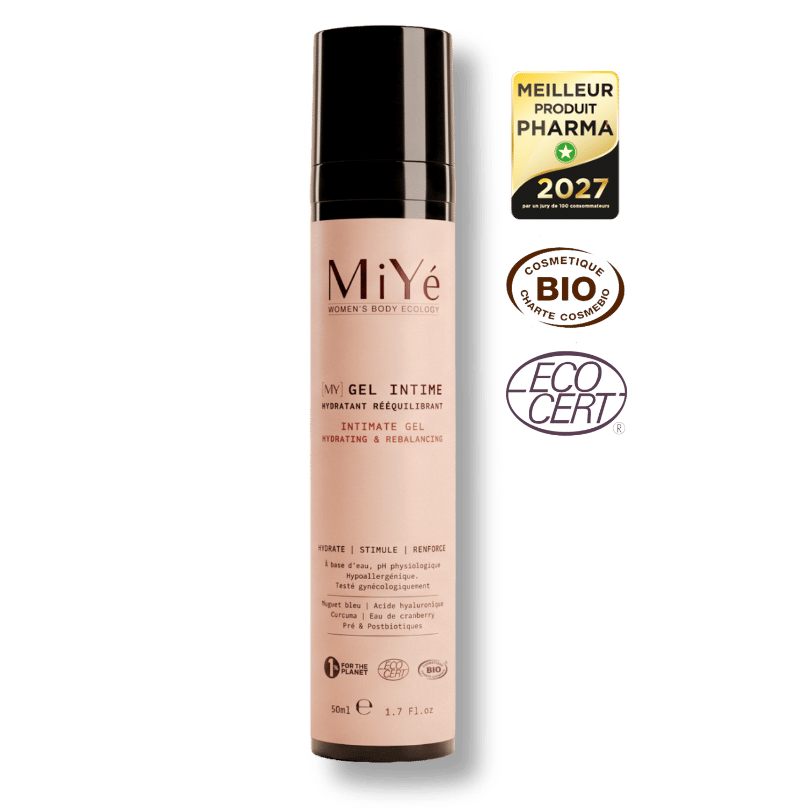
RECOMMENDED PRODUCT
- Moisturizes the intimate area in the long term: supports natural hydration
- Soothes and strengthens comfort: thanks to ingredients such as aloe vera
- Rebalances the intimate flora: the complex of prebiotics and probiotics helps restore and preserve an intimate microbiome
Symptoms : Intimate discomfort, unbalanced intimate flora, lack of lubrication
Beneficial nutritional support
Diet plays an essential role in the vagina's natural lubrication and in the health of the mucous membranes. Fatty fish such as salmon and mackerel, as well as flaxseed oil and cod liver oil, are rich in omega-3 and omega-6. These essential fatty acids help maintain the hydration of the skin and mucous membranes.
Natural herbal teas are also beneficial for relieving vaginal dryness from the inside. Herbal infusions such as red clover, dong quai, chamomile and calendula provide antioxidants and vitamins. Sage, known for its hormone-regulating effects, is particularly useful for menopausal women. Prepare a tea by steeping one teaspoon of dried sage leaves in a cup of hot water for 5 to 10 minutes. Yarrow has soothing and anti-inflammatory properties that naturally moisturize and reduce inflammation.
Lifestyle changes to improve hydration
Besides topical and nutritional approaches, certain lifestyle changes can improve vaginal hydration. Kegel pelvic exercises strengthen the pelvic floor and promote good blood circulation in the intimate area, contributing to better natural moisture.
Staying generally hydrated by drinking water regularly is essential for the body's fluid balance, including the vaginal mucous membranes. Using natural water-based or aloe vera lubricants during intercourse offers an immediate way to moisturize and improve comfort.
Preventing intimate dryness
The importance of appropriate intimate hygiene
Good intimate hygiene is essential to prevent vaginal dryness and preserve the natural balance of your vaginal flora. However, it is important to adopt a routine that respects the sensitivity of this delicate area. For example, it is recommended to not clean the inside of the vagina, as it cleanses itself naturally.
Cleansing products can disrupt your vaginal flora, increasing the risk of infections and intimate dryness. It is better to limit yourself to cleaning the external part of the vulva. Although the ideal frequency of washing is debated, it is generally advised to wash once a day with a mild, fragrance-free product. More frequent washing may be necessary in cases of excessive sweating, intense physical activity or during your period.
Be careful not to wash too often, as this can also upset your vaginal flora and promote infections.
Before starting your intimate cleansing routine, wash your hands with soap and water to avoid spreading bacteria. Use a mild, fragrance-free cleansing product, preferably a superfatted cleansing gel with a physiological pH (around 5.5). Avoid regular soaps, Marseille soap and scented lotions, which can irritate and dry out the delicate skin of your genital area.
Rinse thoroughly with clean water to remove all traces of cleansing product.
Drying is a key step that is often overlooked. After washing, dry your intimate area with a clean, soft towel, patting gently without rubbing. Using a hair dryer is not recommended, as the heat can irritate your sensitive mucous membranes.
These simple habits help relieve the symptoms of vaginal dryness and reduce the risk of recurring episodes.
Rethinking the use of irritating products
Some common practices can upset your vaginal flora, leading to progressive dryness. Among them, vaginal douches are particularly problematic, as they eliminate the protective good bacteria of your vaginal microbiome. Likewise, it is important to avoid hygiene products containing harsh chemical substances.
In addition to cleansing products, the choice of your underwear is decisive in preventing intimate dryness. Opt for cotton underwear, which allows better airflow and reduces the risk of irritation. Avoid synthetic fabrics, which trap moisture and promote irritation and dryness.
A balanced diet rich in hydrating foods is also important to keep your body hydrated, including your vagina. Avoid smoking and limit your alcohol consumption, as these habits can worsen dryness and harm your vaginal health.
Seeing a healthcare professional regularly
Despite preventive measures, it is essential to see a healthcare professional regularly to look after your intimate well-being. A doctor or gynecologist can give you advice suited to your personal situation and recommend treatments if needed.
If symptoms are persistent or recurrent, a medical consultation helps identify the underlying causes of intimate dryness and put in place a personalized therapeutic strategy.
Your healthcare professional may recommend the regular use of vaginal moisturizers to maintain lubrication over the long term, or lubricants to apply before intercourse to reduce discomfort. They may also prescribe vaginal inserts or moisturizing creams to promote cell repair and maintain the suppleness of your mucous membranes.
Finally, they can help you rebalance your vaginal microbiome with suitable treatments and recommend certain food supplements, such as borage oil.
Effective prevention of intimate dryness relies on a combination of appropriate hygiene, gentle product choices, a balanced diet and regular medical follow-up. This holistic approach will help you preserve your intimate comfort and maintain excellent vaginal health throughout your life.
The essentials on vaginal dryness
Intimate dryness is a common issue that affects many women, regardless of age or lifestyle. Often linked to hormonal causes, it can also result from psychological factors, the use of certain medications or inappropriate hygiene.
Symptoms such as pain during intercourse or irritation can have a negative impact on quality of life and self-confidence. Fortunately, there are natural solutions, lifestyle adjustments and effective medical treatments to ease this discomfort.
Seeing a healthcare professional is essential to receive personalized support and regain intimate comfort and well-being.
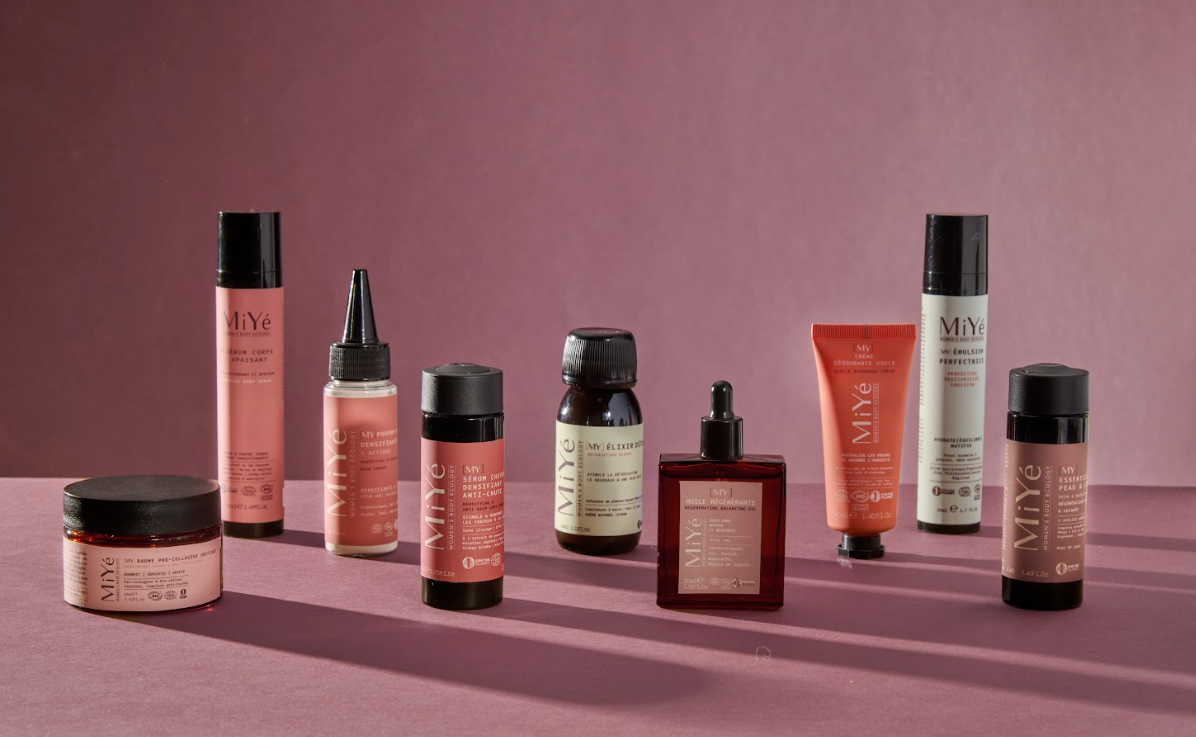
To take care of your intimate comfort every day, discover our Intimacy range, which brings together organic care and food supplements designed to support the balance of the intimate flora.
FAQ
What are the main symptoms of vaginal dryness and how can you recognize them?
Vaginal dryness shows up as itching, burning sensations and discomfort in the vaginal area. It can also cause pain during intercourse, sometimes accompanied by light bleeding.
Redness and inflammation of the external genitals may also be observed, along with frequent urinary or vaginal infections. These symptoms are caused by a decrease in the vagina's natural lubrication.
Can intimate dryness affect sex life and emotional well-being, and what are the long-term consequences?
Vaginal dryness has a significant impact on sex life and emotional well-being. It causes pain during intercourse (dyspareunia), a lower libido, and can lead to apprehension about intimate relationships. These effects can also have psychological repercussions.
In the long term, vaginal dryness increases the risk of gynecological and urinary infections and of vaginal atrophy, and can reduce overall quality of life.
At what age does vaginal dryness most commonly appear and who is affected?
Vaginal dryness most commonly occurs at menopause, affecting more than half of menopausal women. It mainly concerns women aged 51 to 60, although it can occur at any age. About one in six women is affected, with a notable increase linked to the drop in estrogen.
How can intimate hygiene and hormonal changes contribute to vaginal dryness?
Two main factors contribute to vaginal dryness:
- Hormonal changes, notably the drop in estrogen at menopause, which reduce vaginal lubrication.
- Excessive or inappropriate intimate hygiene, such as the use of scented soaps, which destroy the vaginal flora and dehydrate the mucous membranes.
Frequent vaginal douches and wearing synthetic underwear can also worsen this problem.
Sources
- Menopause, Inserm, 2023.
- The 2020 genitourinary syndrome of menopause position statement of The North American Menopause Society, Menopause, 2020.
- Management of postmenopausal women: CNGOF and GEMVi Clinical Practice Guidelines, Maturitas, 2022.
- Genitourinary syndrome of menopause: a systematic review on prevalence and treatment, Menopause, 2021.
- The Recent Review of the Genitourinary Syndrome of Menopause, Journal of Menopausal Medicine, 2015.
- Factors associated with developing vaginal dryness symptoms in women transitioning through menopause: a longitudinal study, Menopause, 2018.
- The Humanistic and Economic Impact of Vaginal Dryness in Premenopausal, Perimenopausal, and Postmenopausal Women, Journal of Women's Health, 2020.
- Use of Moisturizers and Lubricants for Vulvovaginal Atrophy, Frontiers in Reproductive Health, 2021.
- Comparison of the Efficacy of Vaginal Hyaluronic Acid to Estrogen for the Treatment of Vaginal Atrophy in Postmenopausal Women: A Systematic Review, Cureus, 2023.
- Vaginal dryness, NHS.
- Vaginal dryness, Mayo Clinic.

Share:
What are the causes of and solutions to female hair loss?
What impact do our female cycles have on quality of life?
1 comment
Bonjour: souffrant de sècheresse intime suite à un traitement contre un cancer du sein , j’ai eu la chance d’être choisie pour tester votre gel intime. Je suis très satisfaite du résultat ce produit répond à toutes mes attentes, il ne coule pas, son effet est rapide et durable, sa texture non “collante” est agréable c’est un vrai soulagement après un an de souffrance et de tests de nombreux produits. Je suis à votre disposition pour tester d’autres produits de votre gamme
cordialement
Mme Durozier Christine