



SUMMARY
- Menopause and joints: why does it hurt more at this stage of life?
- The most common types of pain: from the knee to the hip and the back
- What causes and worsens this joint pain?
- What solutions can ease joint pain related to menopause?
- Simple everyday habits to ease the “aching all over” feeling
- Joint pain and menopause: key takeaways
- FAQ
- Sources

The drop in oestrogen during menopause reduces the protection of the joints: less collagen, more inflammation and more fragile cartilage, which leads to pain and stiffness.
The most affected areas are often the hands, feet, knees, hips and lower back, with morning stiffness and reduced mobility.
The pain can be widespread and migrating (“aching all over”), often accompanied by fatigue, heaviness and low energy.
Several factors make the pain worse: a sedentary lifestyle, overly intense exercise, excess weight, a pro-inflammatory diet, stress and lack of sleep.
Menopause and joints: why does it hurt more at this stage of life?
During menopause, the hormonal imbalance and in particular the significant drop in oestrogen levels have a profound impact on the joints, bones and muscles. Oestrogens play an essential role in joint health by reducing inflammation, stimulating collagen production and supporting the renewal of chondrocytes, the cells responsible for cartilage health.
During menopause, joint pain arises when oestrogen levels fall and this natural protection of the joints weakens. This can lead to joint stiffness and pain, particularly in the small joints of the hands and feet. The knees, elbows and neck joints can also be affected.
Morning stiffness and loss of mobility are common symptoms, as cartilage becomes more fragile and the joint mechanisms are disrupted.
At the same time, the drop in oestrogen can cause water retention, which makes joint pain worse. This water retention is often accompanied by hot flushes and night sweats, typical symptoms of menopause. Miyé offers natural solutions to alleviate this type of physical discomfort.
It can increase the pressure on the joints, making pain and stiffness worse.
Chronic stress, often heightened during menopause because of hormonal fluctuations, also plays an important role. Cortisol, the stress hormone, can increase inflammation and weaken muscles, contributing to greater sensitivity and to joint and muscle pain.
In addition, muscle tension linked to stress can put more strain on the joints, leading to further inflammation and discomfort.
The combination of lower oestrogen levels, water retention and chronic stress creates fertile ground for joint and muscle pain during menopause. These hormonal changes explain why many women experience widespread pain, stiffness and reduced joint mobility at this stage of life.
The most common types of pain: from the knee to the hip and the back

Menopause and aching all over: how can you recognise widespread pain?
During menopause, joint pain is not limited to a single area of the body. It can appear in a widespread, migrating way, affecting several parts of the body at once or moving from one joint to another. This pain is often described as “aching all over”.
Menopausal women frequently experience stiffness and morning pain, which tend to ease over the course of the day. However, this pain can come back at different times and in different areas of the body.
This widespread pain is often accompanied by a feeling of fatigue and heaviness, which makes everyday activities harder. Factors such as stress, a sedentary lifestyle, and changes in sleep and eating habits can make these symptoms worse. It is essential to recognise this pain as a symptom of menopause and not as a sign of another underlying condition.
Hip, knee or back pain: why are these areas affected?
During menopause, joint pain frequently affects specific areas such as the hip, knees and back. Hip pain is particularly common, because of the loss of bone density and the reduced quality of the joint cartilage. As a weight-bearing joint, the hip supports a large part of the body’s weight, which amplifies the effects of oestrogen deficiency on bones and joints.
The knees are also very exposed, mainly because of their role in supporting body weight and their involvement in repetitive movements. Poor posture and a sedentary lifestyle can make this pain worse by increasing the pressure on the joints and surrounding muscles.
The back, particularly the lumbar region, is often affected because of the loss of bone density and the degeneration of the intervertebral discs, made worse by hormonal changes.
Posture and a sedentary lifestyle play a key role in making this pain worse. Poor posture can shift the load onto certain joints, increasing pressure and inflammation. In addition, a sedentary lifestyle reduces mobility and muscle strength, making joints more vulnerable to pain and injury.
What causes and worsens this joint pain?
A sedentary lifestyle or intense exercise: finding the right balance
A sedentary lifestyle and excessive physical activity can both make joint pain worse during menopause. A sedentary life reduces mobility and muscle strength, making joints more vulnerable to pain and injury.
Conversely, overly intense exercise can cause micro-trauma and speed up cartilage wear, making joint pain worse.
It is essential to find a balance between regular physical activity and moderate intensity. Activities such as walking, yoga or swimming are often recommended, as they help maintain mobility and muscle strength without putting excessive strain on the joints.
Excess weight and an unsuitable diet: a combination that weighs on the joints
Excess weight and an unsuitable diet are major factors that make joint pain worse. Carrying extra weight puts more strain on weight-bearing joints such as the hips, knees and ankles, thereby increasing mechanical stress and chronic inflammation.
This inflammation is encouraged by the release of pro-inflammatory cytokines from fatty tissue.
An anti-inflammatory diet is essential to reduce this pain. Foods rich in omega-3, such as mackerel, salmon and walnuts, help reduce inflammatory symptoms while improving joint mobility.
Good hydration, together with an adequate intake of fibre, antioxidants, vitamins and minerals, also plays a key role in joint health. Conversely, it is recommended to avoid harmful foods such as saturated and trans fats, as well as foods high in salt, which can increase inflammation and make joint pain worse.
Stress and lack of sleep: when the mind also affects pain
Stress and lack of sleep have a significant impact on making joint pain worse during menopause. Stress hormones, such as cortisol, can increase inflammation and weaken muscles, which contributes to greater sensitivity and to joint and muscle pain.
Lack of sleep also intensifies the perception of pain and reduces tolerance to it, making the pain harder to bear.
To reduce these effects, it is essential to manage stress through relaxation techniques such as meditation, yoga or deep breathing. In addition, keeping a regular sleep routine and creating an environment that encourages rest are essential to limit the impact of stress and lack of sleep on joint pain.
What solutions can ease joint pain related to menopause?
To ease joint pain related to menopause, several treatment options and remedies are available, ranging from medical solutions to natural and alternative methods.
Medical Solutions
Painkillers or anti-inflammatories may be considered by your doctor, who will assess the solution suited to your situation. However, for a more comprehensive approach, hormone replacement therapy (HRT) may be recommended.
HRT replaces the oestrogen that the body no longer produces, which can help reduce joint pain and other menopausal symptoms.
It is important to note that HRT is not prescribed indefinitely and its effects can take a few weeks to appear. It is therefore important to follow medical advice and monitor how symptoms evolve so that the treatment can be adjusted accordingly.
Natural Methods and Alternative Therapies
In addition to medical options, several natural and alternative methods can be very beneficial. Massage, for example, helps reduce muscle tension and improve blood circulation, which can ease joint pain.
- Acupuncture is another option that can help modulate the perception of pain and reduce inflammation.
- Osteopathy is also a manual therapy that reduces the muscle tension associated with joint pain and maintains joint mobility. It supports better overall functioning of the body, improves the circulation of fluids and the quality of tissues, and strengthens the body’s capacity to adapt and recover.
- Medicinal plants such as devil’s claw, blackcurrant and field horsetail are recognised for their anti-inflammatory properties and their ability to support joint health. Nutrients such as omega-3, turmeric and collagen can also be included in the diet to reduce inflammation and improve joint mobility.
Regular Medical Follow-Up
Regular medical follow-up is essential to adjust treatment as symptoms evolve. It makes it possible to monitor how effective current treatments are and to make the necessary adjustments.
Healthcare professionals can refer women to specialists such as rheumatologists, osteopaths or acupuncturists if necessary.
By combining these different approaches and keeping an open dialogue with their doctor, menopausal women can find a personalised and effective treatment to ease their joint pain and improve their quality of life.
Simple everyday habits to ease the “aching all over” feeling
To ease the joint and muscle pain associated with menopause, several simple and practical habits can be built into your daily routine. These methods, often non-invasive and natural, can significantly improve comfort and quality of life.
Gentle Physical Activity
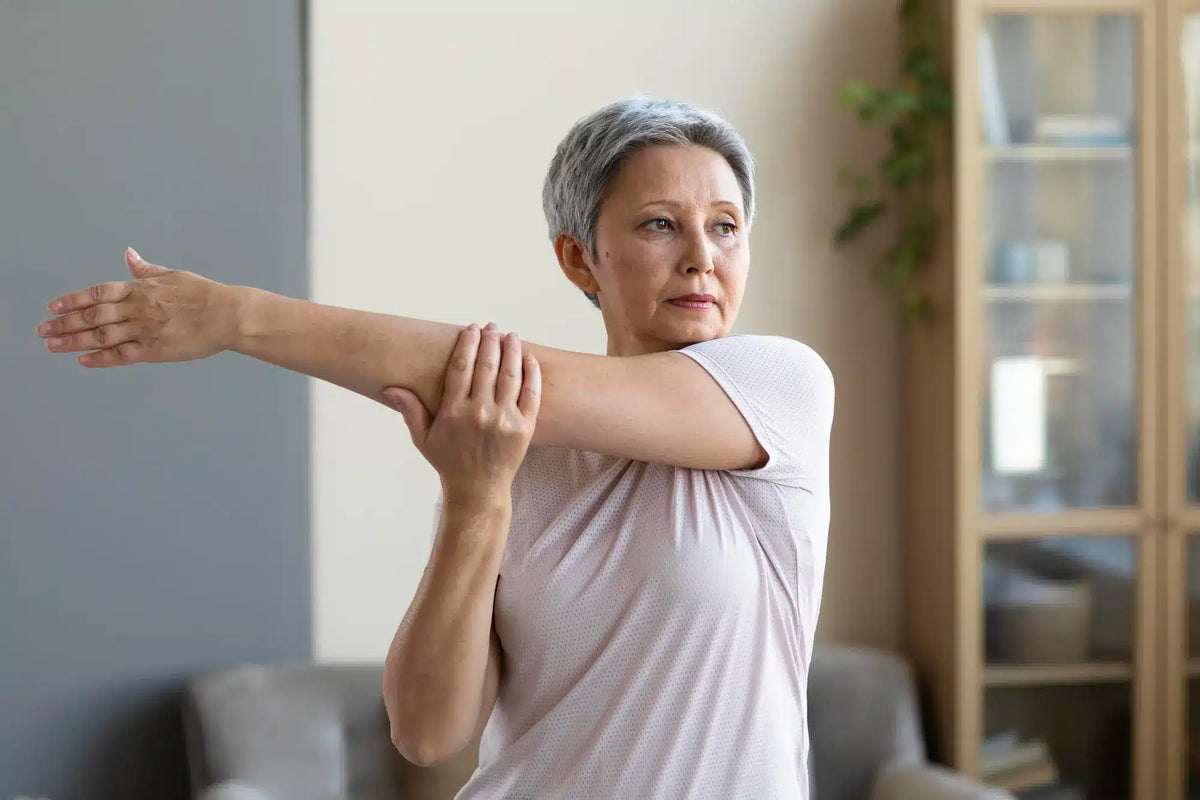
Gentle, regular physical activity is essential to maintain flexibility and joint mobility. Activities such as yoga, stretching, swimming or cycling are ideal because they protect the joints while strengthening the surrounding muscles.
These exercises stimulate the circulation of synovial fluid, reduce inflammation and nourish the cartilage cells.
Hydration and a Balanced Diet
Drinking enough water is essential to prevent dehydration, which can make joint pain worse. Good hydration, combined with a diet rich in fruit, vegetables and anti-inflammatory foods, helps maintain joint health and reduce inflammation.
Avoiding foods that are too acidic or high in salt can also help reduce inflammation and water retention.
Relaxation and Massage Techniques
Relaxation and massage techniques can bring significant relief. A gentle massage of sensitive areas, combined with gentle plant oils, can relax the muscles and ease spasms.
Heat therapy, using a hot water bottle or a warm compress, encourages blood vessels to dilate and improves blood circulation, which eases pain and muscle contractions.
Posture and Mobility
Maintaining good posture and avoiding a sedentary lifestyle are simple but effective habits. Regular stretching, targeting tense areas, can improve mobility and reduce joint tension.
It is also important to take breaks to move and stretch during prolonged periods of inactivity.
Supplements and Herbal Medicine
Using food supplements and herbal medicine can also be beneficial. Plants such as blackcurrant are recognised for their anti-inflammatory properties and their ability to maintain joint health.
These supplements can be taken as capsules, tablets or drinkable solutions, after consulting a doctor.
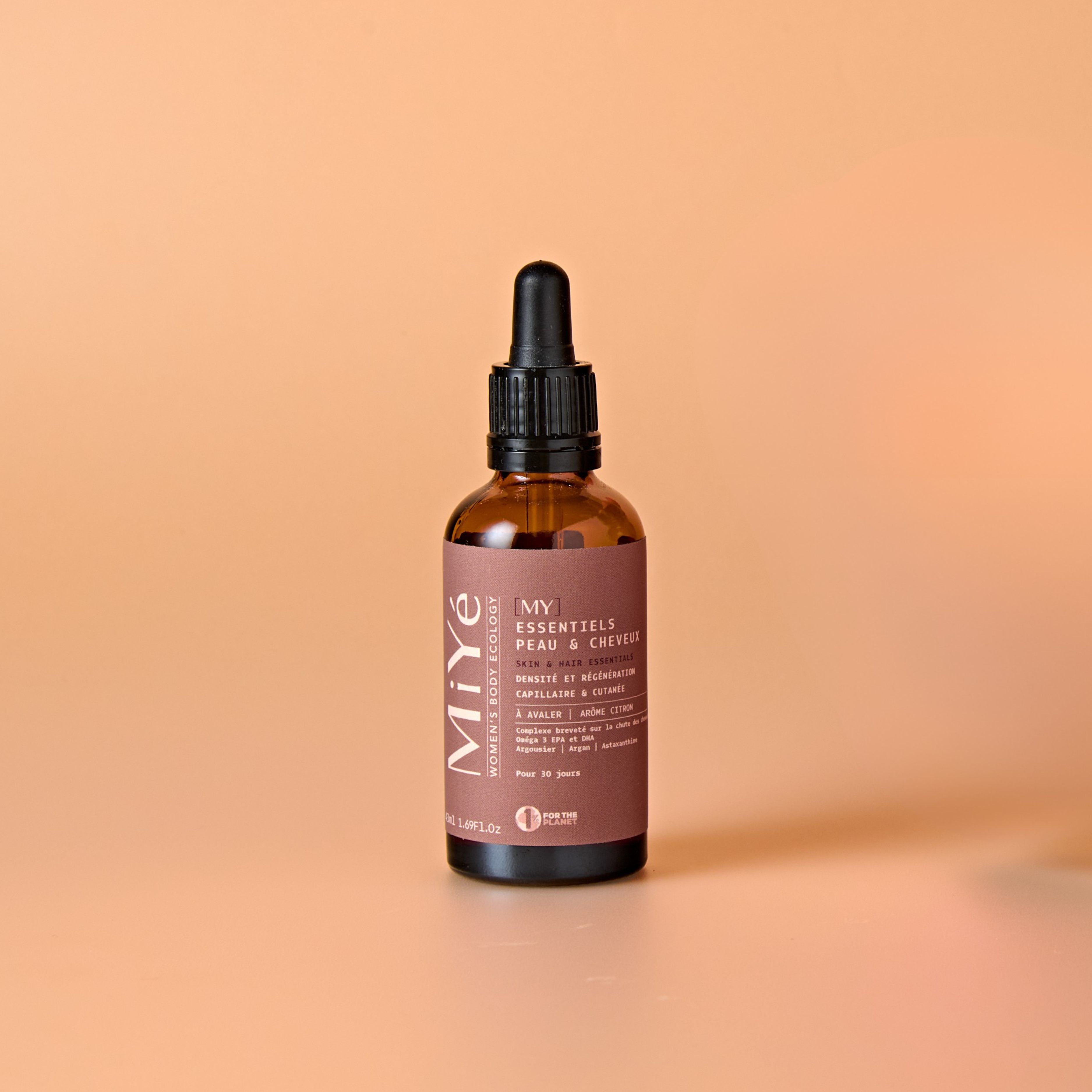
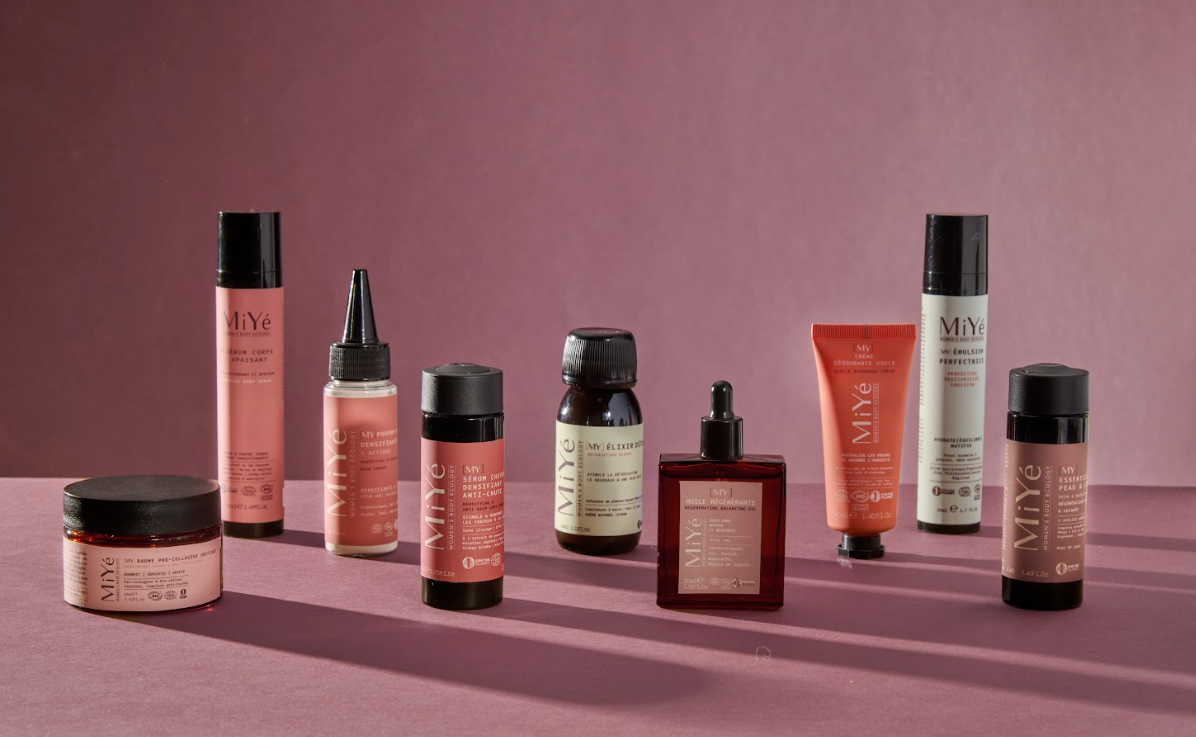
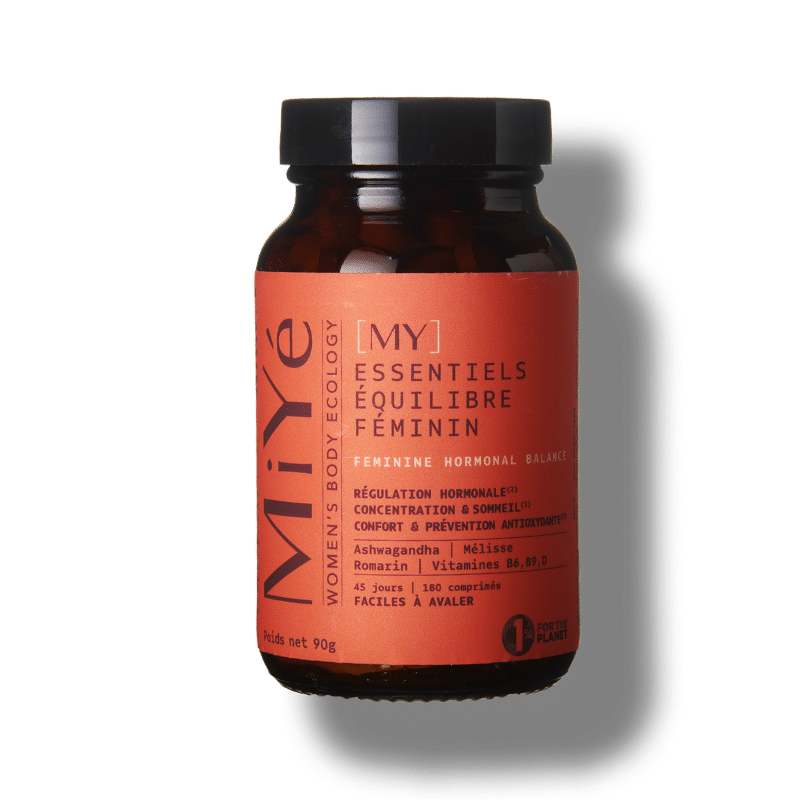
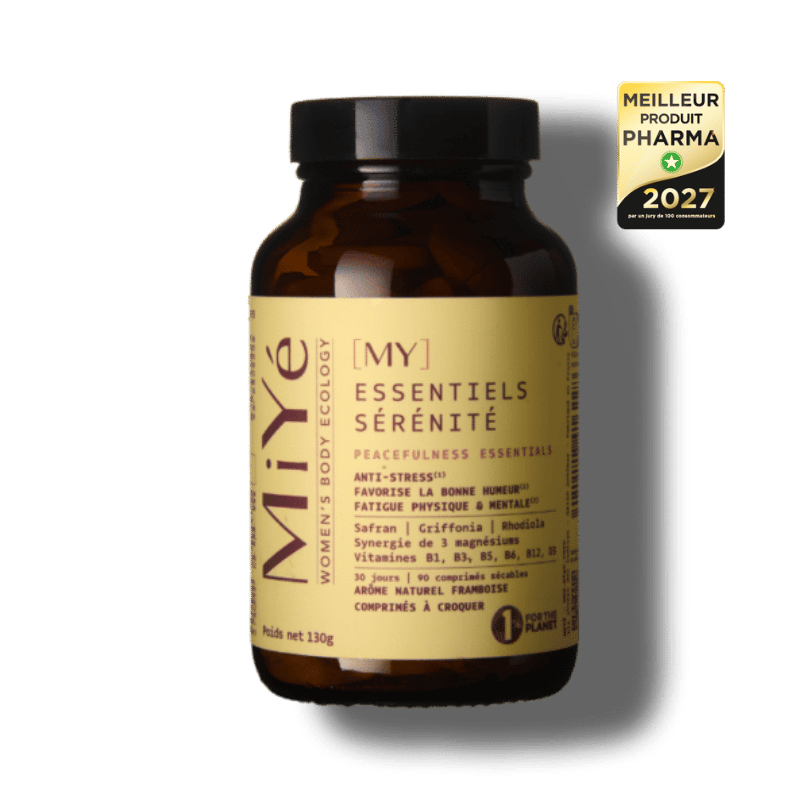
At MiYé, [MY] Bone, Skin & Joint Essentials, our native collagen supplement, and [MY] Women’s Balance Essentials, designed for physical comfort, are part of this approach, alongside a varied diet, gentle physical activity and good sleep. Food supplements are not a substitute for a varied and balanced diet or for medical follow-up: ask your doctor for advice.
By building these simple habits into your daily life, you can significantly improve your comfort and reduce the joint and muscle pain associated with menopause.
By building these simple habits into your daily life, you can significantly improve your comfort and reduce the joint and muscle pain associated with menopause.
Joint pain and menopause: key takeaways
Menopause can lead to joint pain, affecting joints such as the shoulders, hands, knees or back. These symptoms are often linked to hormonal changes, in particular a drop in oestrogen levels, as well as to factors such as dehydration, a sedentary lifestyle or stress. Understanding these profound changes is essential to better manage this period, which is often challenging for women.
To ease joint pain effectively, it is important to combine several strategies. A balanced diet, adequate hydration and regular physical activity are essential. Medical options, such as replacement therapies, as well as alternatives such as acupuncture, osteopathy, massage or other therapies, can also be valid ways to improve comfort and quality of life.
Adopt healthy habits in your daily life, such as a regular exercise routine and a balanced lifestyle. Consult a medical professional if necessary for suitable follow-up. By putting these strategies into practice, you can regain your mobility, your health and your quality of life, even during menopause. Do not let the first symptoms affect your comfort today.
To better understand your hormonal balance, take our hormonal profile test.
FAQ
Why do joints hurt during menopause?
The drop in oestrogen is associated with this pain, as these hormones play a role in cartilage health and in regulating inflammation. The exact link is still being studied, and stress, lack of sleep and a sedentary lifestyle can make the discomfort worse.
How can you ease joint pain during menopause?
Gentle, regular physical activity (walking, swimming, yoga), a balanced diet, good-quality sleep and stress management are the basics. Your doctor can also suggest other solutions suited to your situation, such as hormone therapy. Alongside these healthy habits, [MY] Bone, Skin & Joint Essentials, our native collagen supplement, can fit into your routine. Food supplements are not a substitute for a varied and balanced diet or for medical follow-up.
When should you see a doctor about joint pain during menopause?
See a doctor if the pain persists or gets worse or disrupts your sleep and daily life, or if a joint is swollen, warm or red. Medical advice helps check the cause of the pain, which is not always linked to menopause.
Sources
- The musculoskeletal syndrome of menopause, Climacteric, 2024.
- Arthralgia of menopause: a retrospective review, Post Reproductive Health, 2023.
- Musculoskeletal pain and menopause, Post Reproductive Health, 2018.
- Musculoskeletal Pain during the Menopausal Transition: A Systematic Review and Meta-Analysis, systematic review and meta-analysis.
- Osteoarthritis associated with estrogen deficiency, Arthritis Research & Therapy, 2009.
- The differential effects of sleep deprivation on pain perception in individuals with or without chronic pain, Sleep Medicine Reviews, 2022.
- Hormone therapies for menopause (in French), French National Authority for Health (HAS).
- Living well with menopause (in French), sante.fr (French public service).
- Harpagophyti radix (devil’s claw), herbal medicinal product, European Medicines Agency (EMA).
- Ribis nigri folium (blackcurrant leaf), herbal medicinal product, European Medicines Agency (EMA).


Share:
Regaining sexual desire at menopause after 50
Menopause headaches : How to relieve it ?