




SUMMARY
- How does the sun accelerate skin ageing?
- Visible signs of sun ageing
- Factors that worsen the effects of the sun
- Good habits to prevent sun-related ageing
- How to repair your skin: care & actives to reduce the signs of sun ageing
- What precautions should you take depending on your stage of life?
- When should you see a healthcare professional?
- Frequently asked questions (FAQ)
- Key takeaways

The sun is the main cause of premature skin ageing: UVA rays break down collagen and elastin deep in the skin, UVB rays damage DNA at the surface, and together they promote oxidative stress, inflammation, wrinkles and spots.
The visible signs of photo-ageing are: more pronounced wrinkles, loss of firmness, brown spots, a dull complexion, thickened or uneven texture and sometimes depigmented areas.
The effects of the sun are made worse by several factors: fair skin, frequent exposure, altitude, reflection (water, sand, snow), pollution, smoking, poor diet, lack of sleep, dehydration and hormonal fluctuations.
This phenomenon, known as photo-ageing, is a form of premature ageing caused by oxidative stress and deep changes in the dermis. To protect your skin, adopt suitable sun protection, a healthy lifestyle and suitable natural and organic facial care. Understanding these mechanisms is essential to prevent, limit and effectively repair sun damage, while preserving the integrity of your skin.
How does the sun accelerate skin ageing?
Sun-accelerated skin ageing is mainly due to the combined effects of UVA and UVB rays, which interact with the skin through several biological mechanisms:
- UVA rays: These rays penetrate deep into the dermis, reach the collagen and elastin fibres, and stimulate the activity of matrix metalloproteinases (MMPs). These enzymes break down the proteins essential to the skin's firmness and elasticity, thereby promoting premature skin ageing.
- UVB rays: UVB rays act mainly on the epidermis, causing direct damage to the DNA of skin cells. These alterations can lead to mutations, increasing the risk of developing skin cancers.
- Excessive production of free radicals: Sun exposure generates an overproduction of free radicals (reactive oxygen species), which leads to oxidative stress. This process damages proteins, lipids and DNA, playing a key role in photoageing and premature ageing.
- Chronic inflammation: UV rays trigger persistent inflammation, disrupting cell regeneration and degrading the quality of skin tissue. This promotes the appearance of wrinkles and fine lines.
- DNA alteration and telomere shortening: The damage caused to DNA by UV rays and free radicals disrupts cell function and speeds up the biological ageing of skin cells.
- Hyperpigmentation: Under the effect of UV rays, melanocytes produce more melanin. Over the long term, this overproduction can lead to dysfunction, promoting the appearance of brown spots and sun spots.
These complex biological mechanisms explain why the sun is the main cause of skin ageing, also known as photoageing. This phenomenon is distinct from intrinsic ageing, which is the natural, age-related process.
Visible signs of sun ageing
Sun-related skin ageing shows up through several signs that reveal the harmful effects of prolonged exposure to UVA and UVB rays:
- Deep wrinkles and fine lines: The breakdown of collagen and elastin fibres causes visible sagging of the skin. This shows up as more pronounced wrinkles, particularly around the eyes, forehead and mouth.
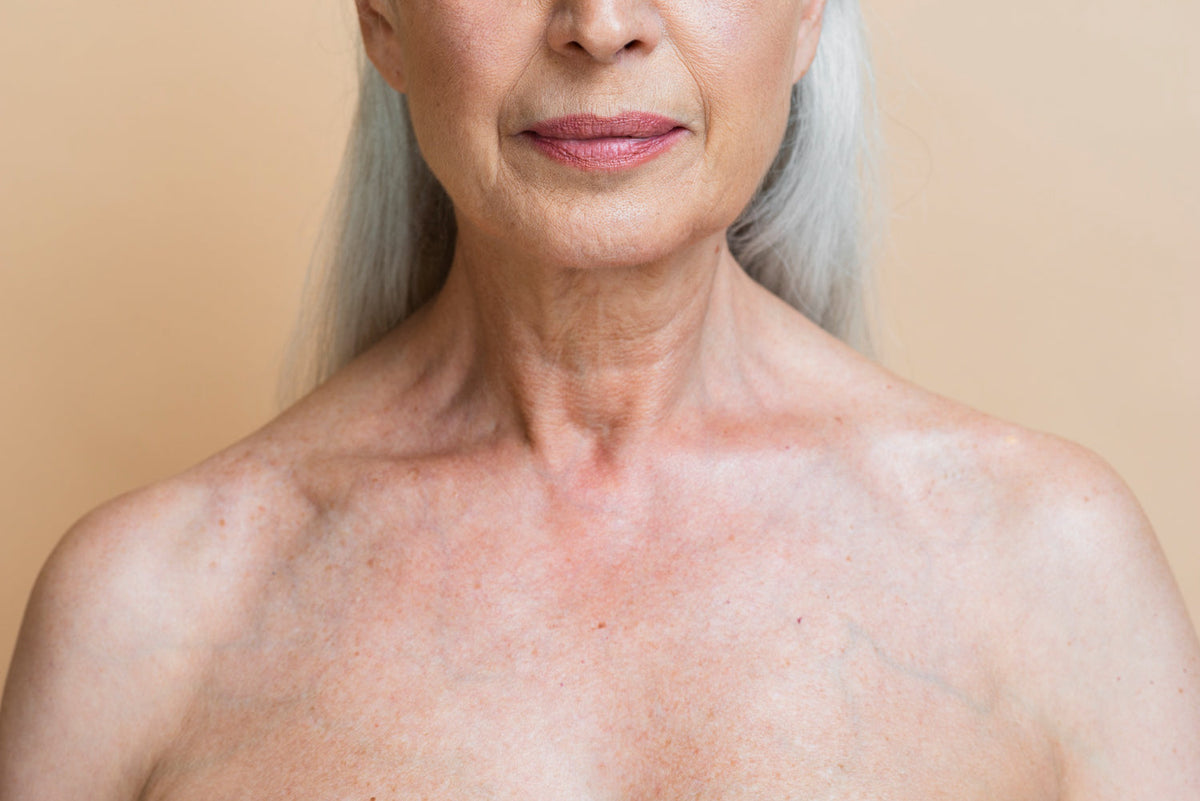
- Brown spots and sun spots: Known as solar lentigines, these hyperpigmentations appear mainly on exposed areas such as the face, hands and décolleté. They result from an excessive and uneven production of melanin.
- Loss of firmness and elasticity: The skin loses tone and becomes slacker. It often has an uneven texture, thickened by a phenomenon called solar elastosis, which gives it a thicker, yellowish appearance.
- Dull, uneven complexion: Sun exposure alters the skin's natural radiance, giving it a tired and sometimes dehydrated look.
- Appearance of white spots or hypopigmentation: Alongside brown spots, some areas may lose their pigmentation, creating visible contrasts, particularly on the face or hands.
- Weakened, thickened skin: The skin can thicken because of an accumulation of damaged elastin fibres, which contributes to a rough, uneven appearance.
These signs, often appearing earlier and more pronounced than those of natural ageing, are evidence of photoageing and of the oxidative stress accumulated by the skin through repeated sun exposure.
Factors that worsen the effects of the sun
Phototype and individual sensitivity
Each skin reacts differently to the sun's rays depending on its phototype, that is, its type of natural pigmentation. People with fair skin, light or red hair and light eyes are generally more sensitive to UVA and UVB rays, with an increased risk of sunburn, sun spots and premature skin ageing. Conversely, darker skin has a higher level of natural protection thanks to a greater production of melanin, but it is not immune to photoageing or skin cancers.
Frequency and duration of exposure
The intensity of the harmful effects of the sun depends directly on the duration and frequency of exposure. Prolonged, repeated exposure leads to cumulative skin damage, notably deep alterations to DNA and a gradual deterioration of collagen and elastin fibres, which accentuates skin ageing. Even short but frequent exposures, if unprotected, can make these effects worse over time.
Environment (altitude, reflective surfaces, pollution)
Environmental conditions play a major role in the intensity of the UV rays your skin is exposed to. At altitude, the atmosphere is thinner and the rays are stronger. Reflection off surfaces such as water, sand, snow or concrete also increases exposure.
In addition, air pollution increases oxidative stress on the skin, aggravating the harmful effects of the sun and promoting accelerated skin ageing and the appearance of brown spots.
Lifestyle (smoking, diet, sleep, hydration)
Your lifestyle strongly influences your skin's ability to protect and regenerate itself against sun damage. Smoking, by promoting internal oxidative stress, further degrades skin fibres and speeds up wrinkles.
A diet low in antioxidants and insufficient hydration reduce the skin's natural defences. Quality sleep is also essential to allow the skin to repair the damage caused by the sun and to limit premature ageing.
Hormones, age, internal oxidative stress
Hormonal fluctuations, notably during periods such as pregnancy, menopause or because of certain treatments, change the sensitivity of the skin to UVA and UVB rays. Over time, the body's antioxidant defences decline, which makes the skin more vulnerable to internal oxidative stress. The latter is a key factor in the process of sun-induced skin ageing.
These physiological changes increase the vulnerability of the skin, underlining the importance of suitable sun protection throughout life.

Good habits to prevent sun-related ageing
Protect yourself from the sun
- Use a broad-spectrum sunscreen that effectively filters UVA and UVB rays. Choose an SPF suited to your skin type and the length of your sun exposure. In general, an SPF 30 to 50 is recommended for optimal protection.
- Know the difference between chemical filters, which absorb UV rays and convert them into heat (for example avobenzone), and mineral filters, such as zinc oxide or titanium dioxide, which reflect UV rays to protect the skin.
- Wear protective clothing with a good UPF (Ultraviolet Protection Factor). Favour wide-brimmed hats, sunglasses and covering clothes, especially during the hours when the sun is at its strongest.
Take antioxidants (vitamin C, E, polyphenols, etc.)
- Antioxidants help neutralise the oxidative stress caused by sun exposure, thereby reducing the harmful effects of UVA and UVB rays on your skin.
- Add to your routine supplements or skincare rich in vitamin C, vitamin E and polyphenols to strengthen your skin's protection and encourage the repair of skin damage.
- These actives are also effective in limiting photoageing, as well as the appearance of wrinkles and brown spots caused by the sun.
Eat well and stay hydrated
- Adopt a diet rich in fruit, vegetables and omega-3 to strengthen the health of your skin and its ability to defend itself against the harmful effects of the sun.
- Make sure you are well hydrated to preserve your skin's elasticity and reduce skin ageing linked to dryness and sun damage.
- Avoid excess alcohol and favour a healthy lifestyle. This helps strengthen your skin's natural resistance to premature sun-induced ageing.
How to repair your skin: care & actives to reduce the signs of sun ageing
Repairing actives (retinoids, peptides, hyaluronic acid)
To effectively repair sun-exposed skin, certain actives are essential. Retinoids play a key role by stimulating cell renewal and collagen synthesis. They help visibly reduce wrinkles while improving skin texture.
Peptides, for their part, promote the repair of collagen and elastin fibres, thereby strengthening the skin's firmness and resilience. Finally, hyaluronic acid is an indispensable ally for intense hydration. It holds water in the deeper layers of the skin, helping to restore its elasticity and soften wrinkles and fine lines.
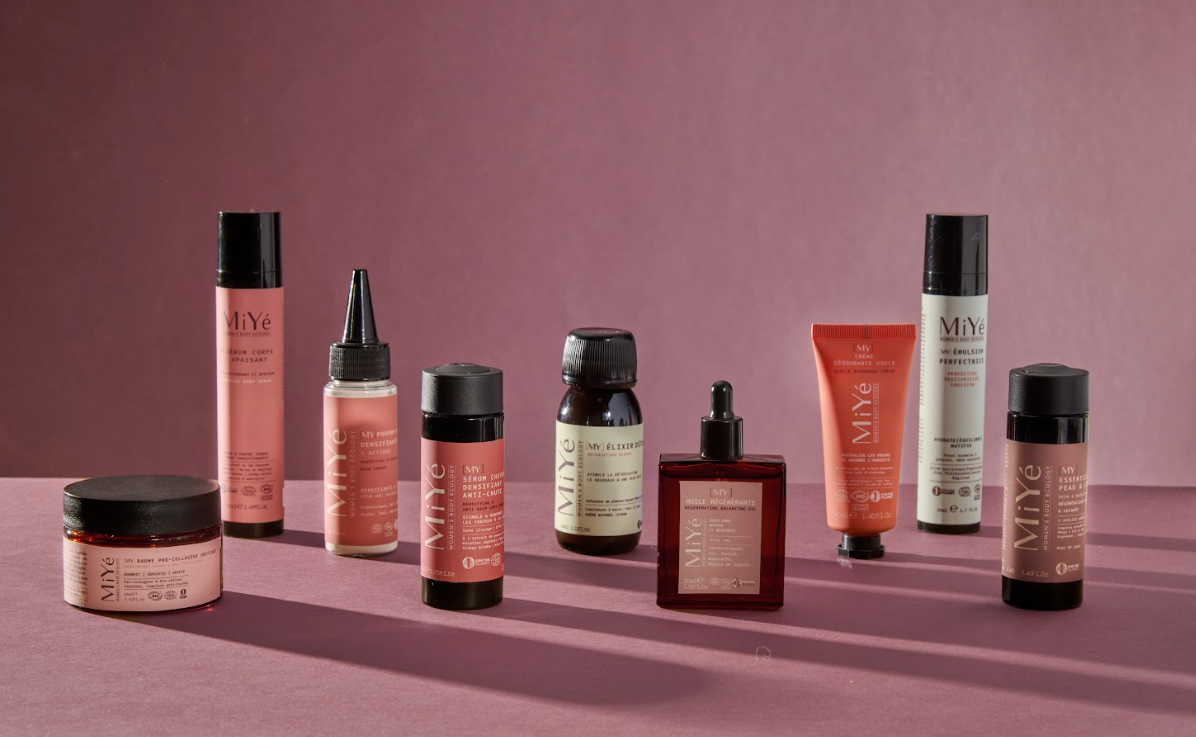
For an approach combining several of these families of actives, the [MY] Pro-Collagen Unifying Balm combines a plant-based pro-retinol from organic alfalfa, plant-based peptide extracts and biomimetic ceramides. It is suitable for sensitive skin, as well as during pregnancy and breastfeeding.
Brightening & anti-spot actives (vitamin C, niacinamide, etc.)
Skincare enriched with vitamin C is particularly effective for brightening the complexion and softening the brown spots caused by sun exposure. In addition to its brightening effect, this vitamin acts as a powerful antioxidant, protecting the skin from the free radicals responsible for premature ageing.
Niacinamide, or vitamin B3, complements this action by reducing hyperpigmentation and strengthening the skin barrier. This helps improve the overall appearance of the skin, making it more even and radiant.
Gentle exfoliants, cell renewal
Gentle exfoliants, such as alpha-hydroxy acids (AHAs) or natural enzymes, are essential to stimulate cell renewal. By removing dead cells, they improve skin texture, even out the complexion and optimise the effectiveness of the repairing actives applied afterwards.
However, these exfoliants must be used with caution, especially after sun exposure, so as not to irritate sensitised skin.
Complementary care: masks, serums, night care
As a complement to a daily routine, moisturising masks and soothing masks are perfect for immediately restoring the suppleness and radiance of the skin after sun exposure. Concentrated serums, for their part, deliver repairing and antioxidant actives deep into the skin.
Finally, night care is particularly effective because it makes the most of the time when the skin is most receptive to regeneration. It supports the repair of sun damage and helps slow the signs of skin ageing.
Also discover our collection dedicated to loss of skin density and fine lines.
What precautions should you take depending on your stage of life?
The needs and precautions to take in the sun vary considerably depending on your age and stage of life. Adapting your sun protection and habits to your skin profile and environment is essential to limit premature skin ageing and protect your skin effectively.
In children and infants: Their skin is particularly sensitive and fragile against UVA and UVB rays. It is recommended to avoid any direct exposure, especially before the age of 3, and to use very high sun protection, with a broad-spectrum SPF50+.
Covering clothes, wide-brimmed hats and shade are essential to reduce the risk of long-term skin damage and to prevent sunburn. Even in the shade, reflected light can cause damage, so stay vigilant.
In teenagers: Their skin undergoes hormonal changes that can increase sensitivity to UV rays. Strict sun protection is essential to prevent photoageing and sun spots.
Wearing protective clothing and regularly using suitable sunscreens remain the best prevention.
In young, active adults: Sun exposure is often more frequent and prolonged. Sun protection should be adapted to your phototype and your activity: SPF30 minimum every day, and SPF50+ for intense outdoor activities (beach, sport, mountains). Regular use of products containing antioxidants and repairing care can also strengthen the skin's resistance to the harmful effects of the sun.
In mature skin and seniors: The skin accumulates sun damage over the years, with a gradual decline in natural defences. As the risk of skin ageing and skin cancers is higher, it is essential to adopt very high sun protection (SPF50+), avoid prolonged exposure, and favour targeted repairing care. Attention to often-forgotten areas such as the ears, neck or backs of the hands is essential.
In summary, whatever your stage of life, the key to good prevention of sun ageing lies in rigorous sun protection, adapted to your skin exposure and your lifestyle, combined with appropriate care and a healthy lifestyle.
When should you see a healthcare professional?
It is important to watch for warning signs that could indicate skin problems linked to excessive sun exposure or suspicious lesions. Seeing a healthcare professional promptly, particularly a dermatologist, allows for early screening and appropriate care.
Here are the main situations where a consultation is needed:
- Changing spots: A spot that changes in size, shape or colour, or that becomes irregular or asymmetrical, may be a sign of a suspicious pigmented lesion.
- Suspicious pigmented lesions: The appearance of new moles, or of spots that itch, bleed or have an irregular surface, is a signal not to be ignored.
- Pain or burning: Any persistent skin pain, burning sensation or sensitive area after sun exposure should be examined.
- Blisters, scabs or sores that do not heal: These symptoms may indicate actinic keratoses or precancerous lesions requiring medical follow-up.
- Appearance of scabs, nodules or lesions on the skin: Any unusual change that persists should be analysed by a specialist.
Regular screening for skin cancers, including melanoma, basal cell carcinoma and squamous cell carcinoma, is essential. This is particularly true for people with a fair phototype, a history of intense sun exposure or other risk factors. A dermatology consultation allows these lesions to be assessed quickly and appropriate therapeutic measures to be put in place.
Frequently asked questions (FAQ)
Does the sun always age the skin, even in cloudy weather?
Yes, the sun can accelerate skin ageing even when it is cloudy. Indeed, up to 80% of UVA rays, which are responsible for photoageing, pass through clouds and reach the skin.
These rays contribute to the breakdown of collagen and elastin, promoting wrinkles, spots and skin sagging, even without any sensation of direct heat.
At what age should you start seriously protecting yourself from photoageing?
It is recommended to start rigorous sun protection in childhood and to maintain it throughout adult life. Photoageing can begin with the first repeated unprotected exposures, often in adolescence or in your twenties.
Good sun protection therefore prevents the premature appearance of wrinkles, sun spots and other visible signs of skin ageing.
Is darker skin less affected by sun-related ageing?
Darker skin benefits from greater natural protection thanks to a larger amount of melanin, which reduces the risk of sunburn and some forms of sun damage. However, it is not exempt from the harmful effects of the sun.
Skin ageing, brown spots and skin cancers can also affect these phototypes, although they are sometimes less visible or less recognised.
Which skincare ingredients support repair after sun exposure?
Ingredients such as retinoids, peptides, hyaluronic acid, vitamin C, niacinamide and antioxidants in general are particularly effective for repairing the effects of the sun on the skin.
They stimulate collagen production, promote cell renewal, reduce pigmentation spots and improve hydration, thereby helping to soften the signs of photoageing.
Do tanning beds or artificial tanning speed up ageing?
Yes, tanning beds and artificial tanning expose the skin to intense and concentrated UV rays, which significantly speeds up skin ageing. This exposure causes damage comparable to that caused by natural sun, such as the breakdown of collagen, the appearance of brown spots and skin sagging, and also increases the risk of developing skin cancers.
Key takeaways
The sun is a major factor in the process of premature skin ageing, causing wrinkles, brown spots and deep cell damage. To preserve your skin, it is essential to adopt suitable sun protection by using an appropriate SPF, limiting prolonged exposure and wearing protective clothing.
To maximise the effects of this protection, combine it with optimal hydration, a diet rich in antioxidants and specific repairing care. Do not wait to act: putting rigorous prevention in place from a young age is the key to keeping control over skin ageing and preserving healthy, radiant skin.
Sources:
INSERM — Sun, UV and health effects
https://www.inserm.fr/dossier/rayonnement-ultraviolet-uv/
World Health Organization — Ultraviolet radiation and skin health
https://www.who.int/news-room/fact-sheets/detail/ultraviolet-radiation
American Academy of Dermatology — Photoaging (skin aging caused by sun)
https://www.aad.org/public/everyday-care/sun-protection
Skin Cancer Foundation — Photoaging and UV damage
https://www.skincancer.org/skin-cancer-prevention/sun-damage/photoaging/
NIH (National Institutes of Health) — Mechanisms of photoaging and UV-induced skin damage
https://www.ncbi.nlm.nih.gov/pmc/articles/PMC3583886/


Share:
Hormonal spots on the face: understand, prevent and treat naturally
Hormonal spots on the face: understand, prevent and treat naturally