





SUMMARY
- What does a traditional cosmetic contain?
- What is the composition of a cosmetic? Compositions and Ingredients :
- What harmful ingredients can be found in unlabelled cosmetics?
- What are the main ingredients and their roles in organic cosmetics?
- Using traditional cosmetics: what is the impact on hormonal balance?
- Using ORGANIC cosmetics: what is the impact on hormonal balance?
- What is the environmental sustainability of organic cosmetics?
- VS What is the environmental impact of traditional cosmetics?
- What labels and certifications are required for organic cosmetics?
- Make an informed choice
- MiYé products:
- SOURCES












The choices we make when it comes to skincare are often influenced by considerations that are increasingly focused on health and the environment.
Drowning in labels and claims of “X% ingredients of natural origin” / “planet-friendly”, how do we find our way around and understand the real differences between organic and traditional cosmetics.
What does a traditional cosmetic contain?
Cosmetics generally contain :
- A mixture of water (aqueous phase) and oil (fatty phase), known as an emulsion. This mixture alone represents 80% of the product, and the quality of the care product depends on it.
An emulsifier to homogenize this chemical mixture. It is accompanied by humectants that prevent water evaporation.
The emulsion and emulsifier make up the excipients:
Active ingredients to enhance the product’s benefits.
Additives: preservatives, fragrances, colorants, texturizing agents…. which, above all, make the product pleasant to use for the consumer.
What is the composition of a cosmetic? Compositions and Ingredients :
Organic cosmetics are distinguished by their commitment to natural ingredients, often grown without the use of pesticides or GMOs. Plant extracts, oils and other components of natural origin are favored in these formulations.
In contrast, traditional cosmetics can contain a wide range of synthetic ingredients, from preservatives to colorants and emulsifiers.
A study published in the Journal of Cosmetic Dermatology showed that certain ingredients present in traditional cosmetics, such as parabens and phthalates, may be associated with adverse effects on hormonal health.
In contrast, organic cosmetics, using natural alternatives, may offer a safer option for those seeking to minimize their exposure to these controversial components.

What harmful ingredients can be found in unlabelled cosmetics?
Traditional cosmetics can contain several ingredients that are potentially harmful to health. Here are some of the components commonly used in these products that have raised concerns due to their possible health effects:
Parabens: These preservatives are frequently used in cosmetics to extend their shelf life. However, studies have suggested that parabens can be absorbed through the skin and are suspected of interfering with the hormonal system, acting as endocrine disruptors.
Phthalates: Found in some fragrances, phthalates are chemical compounds suspected of having adverse effects on hormonal health, notably by disrupting the endocrine system.
Sulfates : Sulfates, such as sodium lauryl sulfate (SLS), are foaming agents frequently used in skin cleansers, shampoos, and other personal care products. They can cause skin irritation and are often considered too stripping, removing the skin’s natural oils.
Synthetic colorants: Some colorants used in traditional cosmetics may contain potentially harmful chemicals, such as lead or petrochemical derivatives. Some of these dyes have been associated with allergic reactions.
Oxybenzone and Octinoxate: These chemical filters are often used in sunscreens. They are increasingly criticized for their endocrine-disrupting potential and negative environmental impacts, particularly on coral reefs.
What are the main ingredients and their roles in organic cosmetics?
Organic cosmetics are distinguished by their use of ingredients of natural origin, grown without the use of pesticides or GMOs, and by their commitment to environmentally-friendly production practices. Here are some common ingredients in organic cosmetics, and their beneficial roles for the skin:
Vegetable oils: Organic cosmetics often incorporate vegetable oils. These oils are rich in essential fatty acids and antioxidants, deeply nourishing the skin and helping to maintain its elasticity.
Vegetable butters: Used in organic cosmetics. They are moisturizing and soothing, creating a protective barrier on the skin.
Plant extracts: Plant extracts, such as aloe vera, chamomile or calendula, are often incorporated for their soothing, anti-inflammatory properties. They help calm irritated skin and promote cell regeneration.
Natural exfoliants: Instead of plastic microbeads, organic cosmetics can use natural exfoliants such as fruit kernel powder, bamboo powder or walnut powder. These ingredients help to remove dead skin cells in an environmentally-friendly way.
Natural emulsifiers: Organic cosmetics often use natural emulsifiers such as beeswax or lecithin to stabilize formulations without resorting to synthetic agents.
Natural preservatives: To ensure product longevity, natural preservatives such as vitamin E and rosemary extract are used in organic cosmetics.
Natural minerals: Mineral pigments such as zinc oxide or titanium dioxide are used as natural sunscreens in organic sun protection products.
By opting for natural ingredients, organic cosmetics seek to minimize exposure to potentially harmful chemicals, while offering skin benefits derived from nature itself. It’s essential to read labels carefully to ensure organic certification and ingredient transparency.
Using traditional cosmetics: what is the impact on hormonal balance?
The question of the impact of traditional cosmetics on hormonal balance is attracting growing interest in the scientific community. While research is ongoing and not all conclusions are definitive, some studies suggest potential concerns related to certain ingredients present in these products. Here are a few points to consider:
Endocrine disruptors: Some common components in traditional cosmetics, such as parabens, phthalates and triclosans, have been identified as potential endocrine disruptors. These chemicals can interfere with the endocrine system, responsible for regulating hormones in the body.
Parabens: Parabens, used as preservatives in many cosmetic products, have been detected in human tissue samples. Although concentrations are generally low, concerns remain about accumulation over time and their cumulative effects on hormonal balance.
Phthalates: Some cosmetic products contain phthalates, compounds that can be absorbed through the skin. Studies have suggested an association between phthalate exposure and hormonal disruption, particularly in teenagers and pregnant women.
Fragrances: The “perfumes” or “fragrances” in traditional cosmetics can also contain potentially problematic ingredients. Some of these components may act as endocrine disruptors.
Using ORGANIC cosmetics: what is the impact on hormonal balance?
The choice to consume organic cosmetics is often associated with the idea of reducing exposure to potentially harmful chemicals present in conventional products. When it comes to the impact on hormonal balance, organic cosmetics are generally perceived as a safer option.
Here are a few points to consider:
Avoid Endocrine Disruptors: Organic cosmetics tend to avoid the use of certain endocrine disruptors commonly found in conventional products. For example, parabens, phthalates and other controversial synthetic compounds are often excluded from organic formulations. To avoid parabens, we recommend choosing products labeled “Paraben-free”. The names of parabens on an INCI list are : BUTYL PARABEN, ETHYL PARABEN, METHYL PARABEN, PROPYL PARABEN. As far as phthalates are concerned, avoid all products containing DIETHYL PHTHALATE or any name based on PHTHALIC ACID in their INCI ingredient list.
Natural and organic ingredients: Organic cosmetics use natural and organic ingredients, grown without the use of pesticides or GMOs. These ingredients are often chosen for their beneficial properties for the skin, without the risks associated with certain synthetic chemicals.
Hypoallergenic options: Some organic cosmetics are formulated to be hypoallergenic, reducing the risk of adverse skin reactions. This can be particularly important for those with increased skin sensitivity linked to hormonal imbalances.
Fewer chemical additives: Organic cosmetics tend to contain fewer chemical additives, such as artificial colorants, synthetic fragrances and harsh preservatives, which can sometimes cause skin irritation.
Environmental sustainability: Choosing organic cosmetics is also often linked to more sustainable production practices, which can help reduce overall environmental impact. Better environmental health can also have positive implications for human health.
While these potential benefits are promising, it’s important to stress that everyone reacts differently to cosmetic products. Some people may be more sensitive to certain ingredients, even if they are natural. What’s more, organic certification does not necessarily guarantee the total absence of undesirable effects.
For those concerned about hormonal balance and looking for organic cosmetics, it is advisable to consult brands certified by trusted organizations, such as Cosmos Organic, Ecocert, or other recognized certifications, to ensure the authenticity of the products. In the case of specific concerns about hormonal health, it is also advisable to consult a health professional.
What is the environmental sustainability of organic cosmetics?
The environmental sustainability of organic cosmetics is often perceived as being higher than that of conventional cosmetics due to certain specific practices adopted by organic brands. However, it’s important to note that sustainability depends on a variety of factors, including production, packaging, and ingredient management. Here are some aspects of the environmental sustainability of organic cosmetics:
Organic Farming Practices: Organic ingredients used in organic cosmetics are grown without the use of pesticides, herbicides or synthetic fertilizers. Organic farming practices aim to maintain soil health, preserve biodiversity and reduce the use of potentially harmful chemicals.
Avoiding GMOs: Organic cosmetics generally exclude the use of genetically modified organisms (GMOs) in their ingredients, helping to preserve genetic diversity and minimize the environmental risks associated with genetically modified crops.
Ecological packaging: Ecological packaging, such as recyclable, biodegradable or sustainably sourced materials, minimizes waste.
Respect for Biodiversity: Organic farming practices generally promote biodiversity by avoiding the use of harsh chemical pesticides. This can help preserve the health of ecosystems and protect local species.
Ecological certifications: Organic cosmetics can be certified by organizations such as Cosmos Organic or Ecocert, which impose strict sustainability standards. These certifications guarantee that products meet rigorous environmental criteria.
Water conservation: Organic farming practices often have less impact on water quality by avoiding excessive use of chemicals that could contaminate water sources.
It is important to note, however, that overall sustainability can vary from brand to brand, even among organic cosmetics. Certain aspects, such as the transportation of ingredients and finished products, can also influence the overall carbon footprint. Sustainability-conscious consumers should look for brands that adopt transparent ecological practices and are certified by trusted organizations.
VS What is the environmental impact of traditional cosmetics?
The environmental impact of traditional cosmetics can vary depending on several factors: the ingredients used, manufacturing practices, packaging and transport. Here are just a few aspects of the environmental impact of traditional cosmetics:
Use of chemicals: Traditional cosmetics contain synthetic ingredients, artificial colorants, harsh preservatives, and other chemicals that can have a negative impact on the environment. Some of these compounds can pollute water and soil when disposed of.
Conventional agricultural practices: Ingredients used in traditional cosmetics may come from crops treated with pesticides, herbicides and chemical fertilizers. These conventional agricultural practices can lead to environmental impacts such as soil and water contamination, loss of biodiversity and erosion.
Greenhouse gas emissions: The manufacture, packaging and transportation of traditional cosmetics contribute to greenhouse gas emissions. This includes the energy used in manufacturing processes, unsustainable packaging materials, and international transport.
Microplastics: Some traditional cosmetics, such as scrubs and toothpastes, contain microplastics, small plastic particles that can pollute oceans and aquatic ecosystems.
Animal testing: Some traditional cosmetics may still be tested on animals, raising ethical and environmental concerns. Animal testing has been banned in Europe since 2013. They are still practiced in China.
Packaging waste: Traditional cosmetics are often packaged in containers made of plastic, glass or other materials that contribute to solid waste. Non-recyclable or difficult-to-recycle packaging can pose challenges in terms of waste management.
What labels and certifications are required for organic cosmetics?
The marketing of organic cosmetics is often associated with specific labels and certifications that guarantee compliance with organic standards. These labels are a way for consumers to recognize authentically organic products. Here are some of the most widely recognized labels and certifications for organic cosmetics:
Cosmos Organic: The Cosmos Organic label is an international certification developed by several organic certification bodies. It guarantees that products meet strict standards in terms of organic ingredients, environmentally-friendly manufacturing processes and ethics.
Ecocert: Ecocert is an independent certification body that awards labels for organic products, including cosmetics. The Ecocert label guarantees that products meet strict criteria in terms of ingredient origin, traceability and respect for the environment.
Natrue: The Natrue label is an international certification that distinguishes natural and organic products. It has different categories, from “natural cosmetics” to “organic cosmetics”, with specific criteria for each level.
COSMOS: The COSMOS label is a collaboration between several certification bodies in Europe. It proposes common standards for natural and organic cosmetics. There are two levels of certification, “COSMOS Natural” and “COSMOS Organic”.
Make an informed choice
Whatever the case, it’s crucial to research compositions, check labels and certifications, and understand the potential impact on skin and the environment before making a choice.
Cosmetics are constantly evolving, offering consumers a wide range of options to meet their needs while respecting their values and health. It’s up to you to decide which approach best suits your lifestyle and convictions!
In conclusion, the choice between organic and traditional cosmetics goes beyond simple personal preference. The implications for health and the environment need to be considered in an informed way. Although current research suggests that organic cosmetics may offer potential benefits, it is essential to stay informed and follow scientific developments in this constantly evolving field. Ultimately, the enlightened consumer is one who makes informed choices based on an understanding of the different nuances between these two types of cosmetic products.
MiYé products:
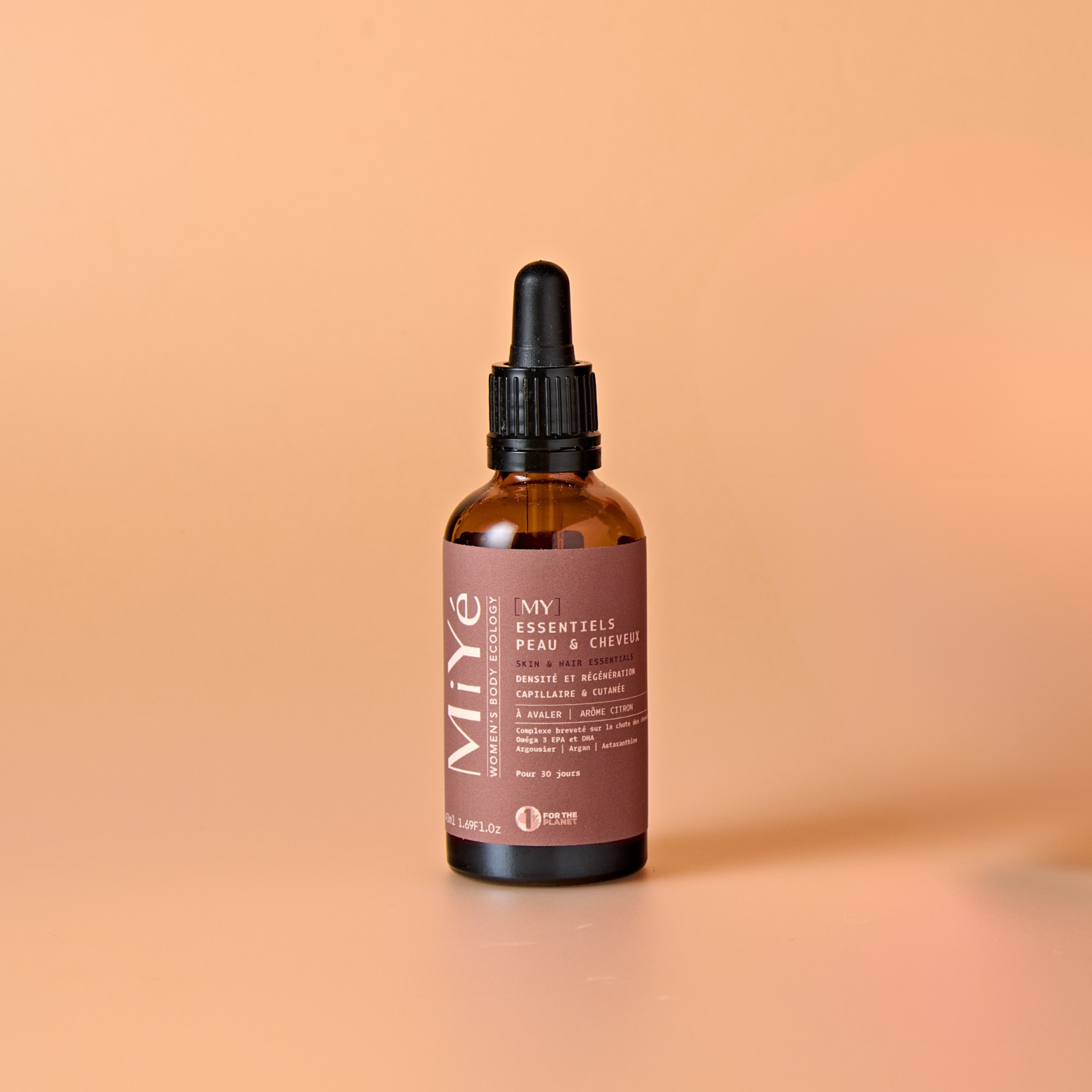
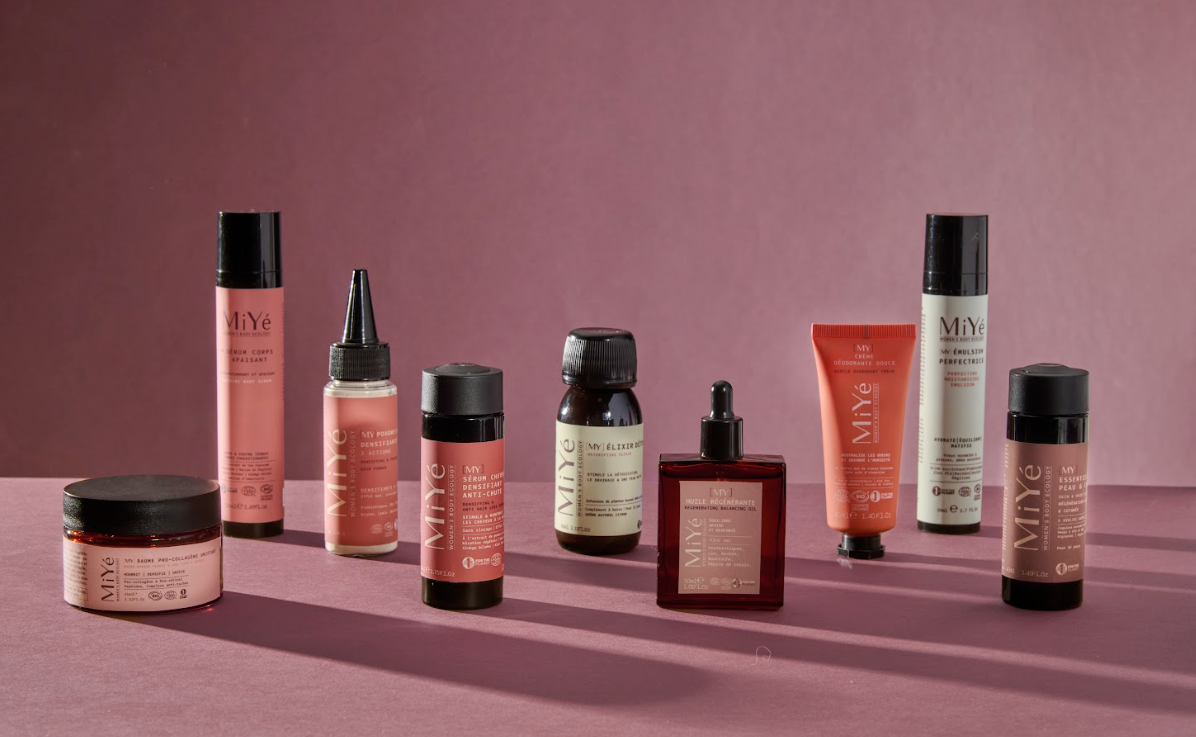
MiYé stands out for its commitment, balance and well-being. Our products aim to support hormonal health in a natural way and regulate the endocrine system, thus promoting hormonal balance. Our formulas often incorporate adaptogenic plants renowned for their regulatory properties.
To find out more: see our ingredient glossary.
MiYé products are also distinguished by their transparency in terms of ingredients, featuring natural and organic compositions, vegan, free from phytohormones and endocrine disruptors.
SOURCES
https://www.universpara.com/blog/cosmetique-bio-cosmetique-naturel-quelle-difference/
https://www.febea.fr/actualites/cosmetique-naturel-vs-cosmetique-bio


Share:
L'Aléa Podcast: Women's Health With MiYé's Founder
How to relieve tender breasts?